
Groceries Are Up. Gas Is Up. The Trucks That Stock Your Store Run on Diesel. Here's what actually helps. And it's not a meal plan.
7 days. 3 systems. A kitchen that feeds your family well — no matter what's happening outside.
Grocery prices were already climbing before 2026. Then fuel costs jumped. And the trucks that move food across the country? They run on diesel.
That cost lands on you at checkout. Every single week.
You can't fix the supply chain. But you can stop depending on it so much. That's what this week is about.
If any of this sounds familiar, keep reading.
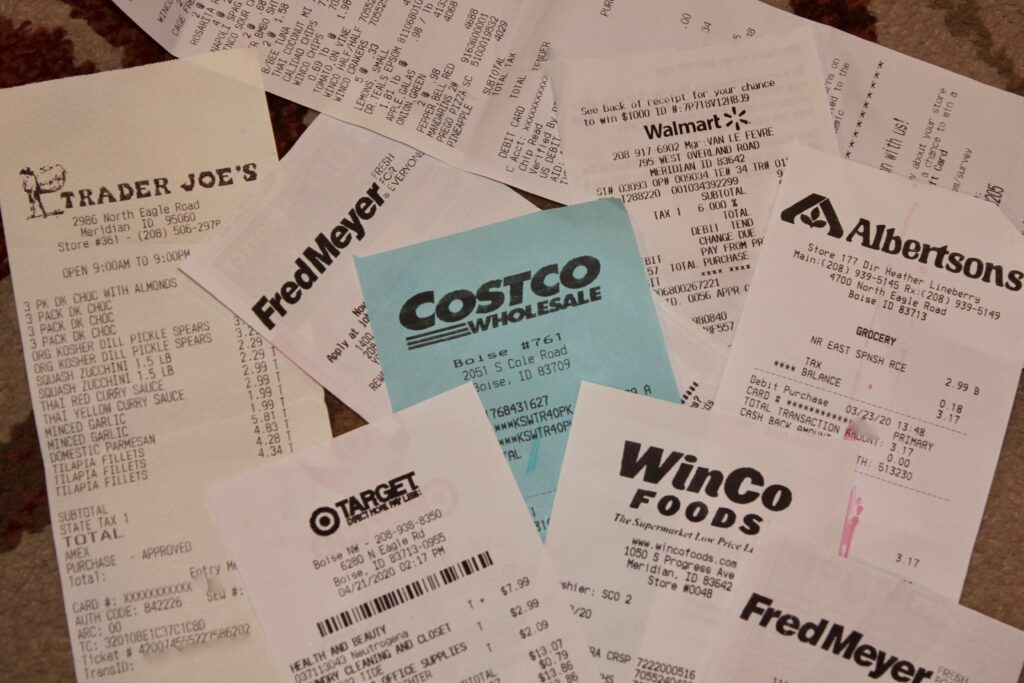
You leave the store spending more than you planned. Every time.
The fridge is full. Somehow dinner still isn't solved.
5:30 hits and DoorDash wins again.
You have three jars of cumin because you keep forgetting.
You've tried meal planning. It died by Wednesday.
You want to eat well. You just can't seem to make it work consistently.
This isn't a you problem. It's a systems problem. And it's fixable.
Here's why right now is the time to build this.
The families feeling grocery prices the least right now aren't lucky.
They built a different relationship with food before things got tight.
They shop less often. They cook from a stocked pantry.
They know a local farmer. They preserve what they can.
They're not dependent on a supply chain to feed their people.
That's not a fantasy. It's a skill set. And you can start building it this week.
The window to get ahead of this is open right now.
Seven days from today, your kitchen could run completely differently.
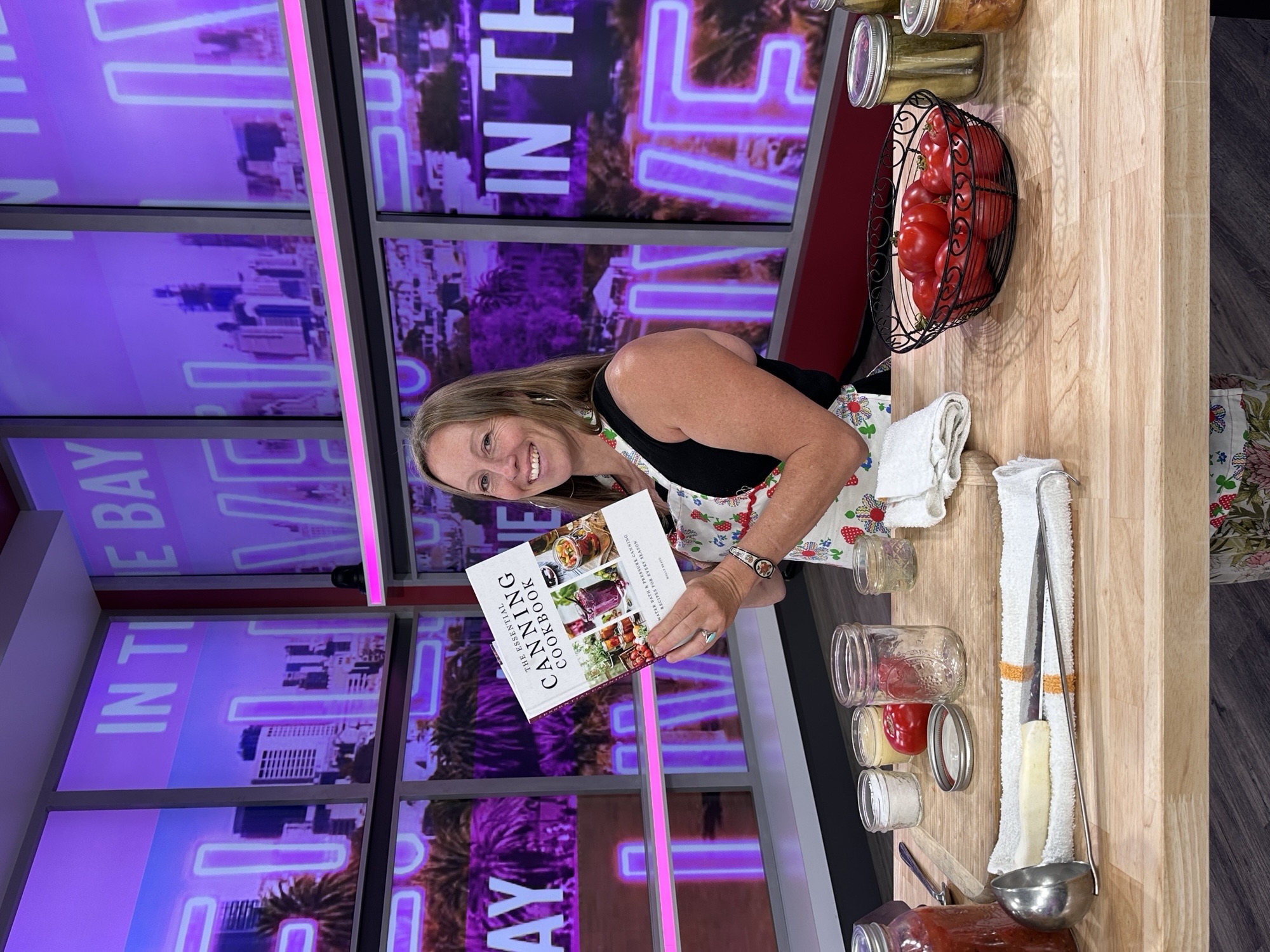
I'm Molly.
I've spent almost 20 years feeding people — in professional kitchens, at events, and around my own table.
I built the Grocery Leak Fix because I kept watching smart, capable people run kitchens that were costing them way more than they needed to spend.
This isn't a meal plan. It's a money intervention. And it's the first step toward a kitchen that actually has your back.
What the 7 days actually look like
Days 1–2
The Leak Audit
- —Pull your bank statement. Get your real food number.
- —Find your 5 silent drains. Most people find $80–$150 they didn't know they were losing.
- —That number becomes your baseline. Clarity before control.
Days 3–5
Anchor Protein Economics
- —One protein. Multiple meals. No more 5pm panic.
- —Cook once, eat real food all week.
- —Fewer emergency store runs. Less exposure to rising convenience prices.
Days 6–7
The Pre-Store Kill List
- —Stop impulse spending before you walk in the door.
- —Leave with exactly what you came for.
- —Structure beats willpower. Every single time.
The most reliable grocery store is closer than you think.
Local farmers don't run on diesel delivery trucks.
They don't have supply chain disruptions.
And once you know one, your food gets better and your bill often goes down.
Why local is actually cheaper
- • You buy direct. No middlemen, no retail markup, no packaging premium.
- • A whole chicken from a local farm often costs less per meal than store-bought pieces.
- • CSA boxes routinely cost $25–35 for a week of produce that would run $60+ at Whole Foods.
- • You buy in bulk when prices are right — and you know exactly what's in it.
How to find local farmers
- • LocalHarvest.org — searchable map of farms, CSAs, and farmers markets near you
- • EatWild.com — directory of grass-fed and pasture-raised farms by state
- • USDA's Agricultural Marketing Service — farmers market locator at ams.usda.gov
- • Ask at your local farmers market who sells by the whole or half animal
- • Nextdoor and neighborhood Facebook groups — often the fastest way to find a local source
"Knowing one local farmer changes your whole relationship with food."
When you know how to preserve food, you stop depending on the store to feed you.
Our grandmothers didn't run to the store three times a week.
They grew things. They put things up. They had a larder.
These aren't lost arts. They're learnable skills.
And they pay for themselves every single month.
Water Bath Canning
Best for: jams, pickles, salsa, tomatoes, fruit
Equipment: mason jars, a large pot, a rack. Low cost to start.
A flat of tomatoes from a local farm + an afternoon = a year of sauce
Pressure Canning
Best for: meats, beans, broth, low-acid vegetables
One investment in a pressure canner. Pays back fast.
Your anchor proteins, shelf-stable and ready — no freezer required
Dehydrating
Best for: herbs, fruit, vegetables, jerky
A basic dehydrator runs $40–60 and lasts years
Dehydrated food stores for 1–4 years. Takes up almost no space.
Freeze Drying
Best for: full meals, dairy, eggs, long-term produce storage
Higher upfront cost, but 25-year shelf life changes the math entirely.
Great for families who want serious depth in their pantry.
Fermentation
Best for: vegetables, dairy, condiments
Nearly zero cost. Salt, a jar, and time.
Sauerkraut, kimchi, pickles, yogurt, kefir — all cheaper to make than to buy
The pantry is not decoration. It's infrastructure.
A stocked pantry means fewer store trips.
Fewer store trips mean less exposure to rising prices.
And a kitchen that can handle a bad week — or a bad month.
Start here.
The pantry foundation
- • Dried beans and lentils — cheap, shelf-stable, endlessly versatile
- • Rice and oats — bulk bags, food-grade buckets, Mylar sealed
- • Whole grains and flour — buy in 25–50 lb bags from a local mill or co-op
- • Cooking fats — coconut oil, lard, ghee, olive oil (all shelf stable)
- • Salt, vinegar, honey — preservation staples and pantry workhorses
- • Canned fish and proteins — quick meals without a cold chain
- • Spices and dried herbs — bought whole, not pre-ground in tiny jars
Where to buy in bulk
- • Azure Standard — bulk organic pantry staples, delivery routes nationwide
- • Costco — rice, oil, canned goods, oats in larger quantities
- • Local co-ops and buying clubs — often the cheapest per-pound price on grains
- • Direct from a local grain farm or mill if you have one nearby
Starting a garden — even a small one
- • A 4x8 raised bed can produce $600–$1,000 in vegetables in a single season
- • Start with what your family actually eats: tomatoes, greens, herbs, cucumbers
- • Save seeds from open-pollinated varieties. Buy once, grow indefinitely.
- • Container gardening works for apartments. Herbs on a windowsill still count.
Start where you are. Build from there.
You don't have to do this all at once. Nobody does.
Pick a tier. Start building. Move up when you're ready.
| Tier | Duration | What to Stock | Water Goal |
|---|---|---|---|
| Starter | 1 week | Rice, beans, oats, canned proteins, cooking oil, salt | 14 gallons per person |
| Foundation | 1 month | Expand grains, add dried pasta, honey, vinegar, freeze-dried produce, whole spices | 56 gallons per person + filter |
| Sovereign | 6 months | Bulk buckets (Mylar-sealed), home-canned proteins, dehydrated garden produce, lard/ghee, seeds for replanting | Rainwater capture or large tank + filter + purification plan |
Even Tier 1 changes everything.
One week of food on your shelf means one week where a disruption doesn't become a crisis.
OFFER
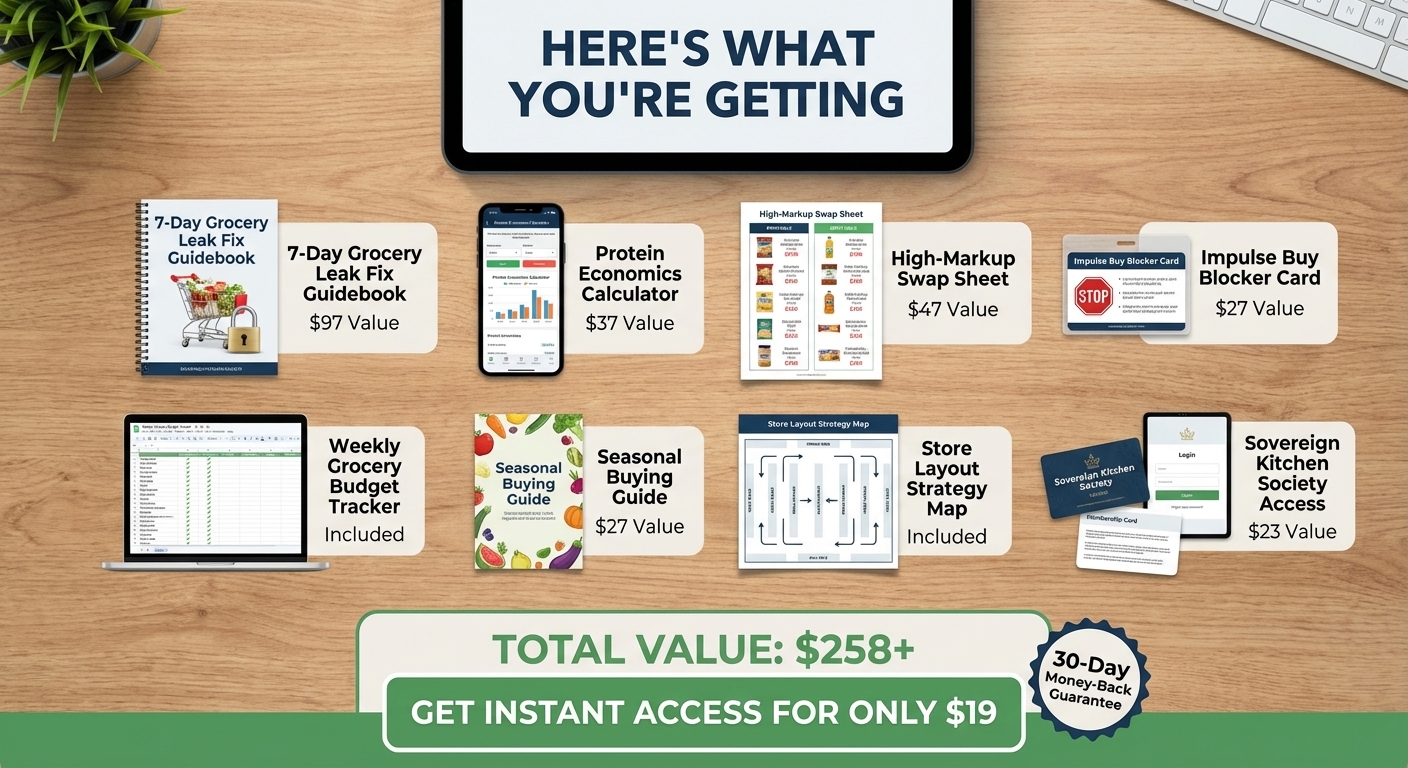
Here's what you get for $19
The full 7-day course — instant access
Leak Audit Worksheet (Day 1 will change how you read your bank statement)
Anchor Protein framework with real-food examples
Pre-Store Kill List template
Grocery Leak Calculator
Grocery Reset Checklist
30-day money-back guarantee
Less than one emergency takeout order.
The first step toward a kitchen that's not at the mercy of supply chain prices.
FREQUENTLY ASKED QUESTIONS
A few things people ask
I've tried budgeting before and it never sticks.
→ Budgets need willpower. Systems don't. That's the difference here.
Is this going to tell me to buy cheap, low-quality food?
→ No. Real food is the whole point. We cut waste and markup, not quality.
I'm interested in local sourcing and food storage — does this cover that?
→ The 7-day course is your foundation. The deeper work — sourcing, preserving, building a real pantry — lives inside Pantry of Plenty. It's the next step.
I don't have a lot of time.
→ The audit takes 20 minutes. The whole program is designed for busy people.
Prices are going to keep doing what they're doing. The question is whether your kitchen is ready for it. Seven days. A kitchen that's more resilient, less expensive, and actually calm at 5:30pm.
Instant access. 30-day guarantee. No subscriptions.